
Engineering for materials at their limits.
Central Tension is a Los Angeles engineering firm for glass, advanced materials and new technology introduction. We find out why things break, develop the materials that replace them, and carry new technology from the lab into production.
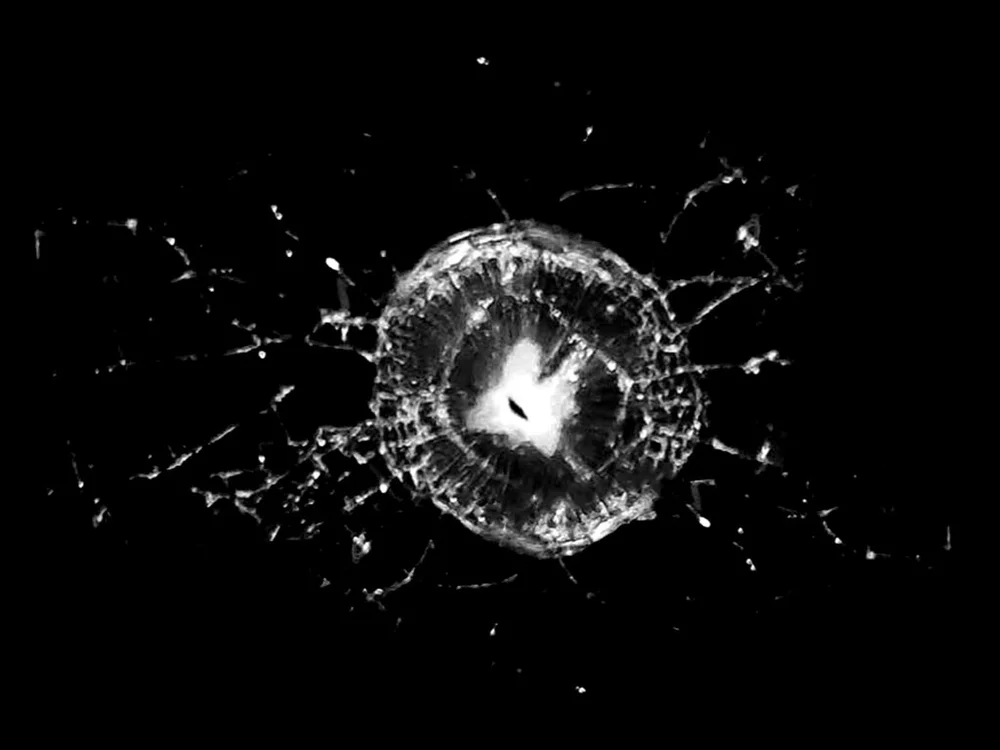
Three ways we help engineering teams
Glass engineering and failure analysis
Fractography, root cause analysis and strength testing for glazing, cover glass and PV modules. We read the fracture surface, build the stress case, and tell you what failed and why, at the level of certainty the evidence supports.
- Field failure and root cause investigations
- Hail, impact and thermal stress analysis
- Surface stress mapping and test design
New materials development
Development programs for functional glass, coatings, interlayers, aerogels, composites and optical polymers, from composition and process through qualification against the standards your product must meet.
- Electrochromic and functional glazing
- Optical, IR and space-rated materials
- Material selection and qualification
Technology introduction
Bringing a new material or process into a product and a factory. Supplier development, manufacturing scale-up, regulatory pathways and the partnerships that get a technology to market.
- Scale-up and supplier development
- Certification and compliance pathways
- Technology scouting and partnerships
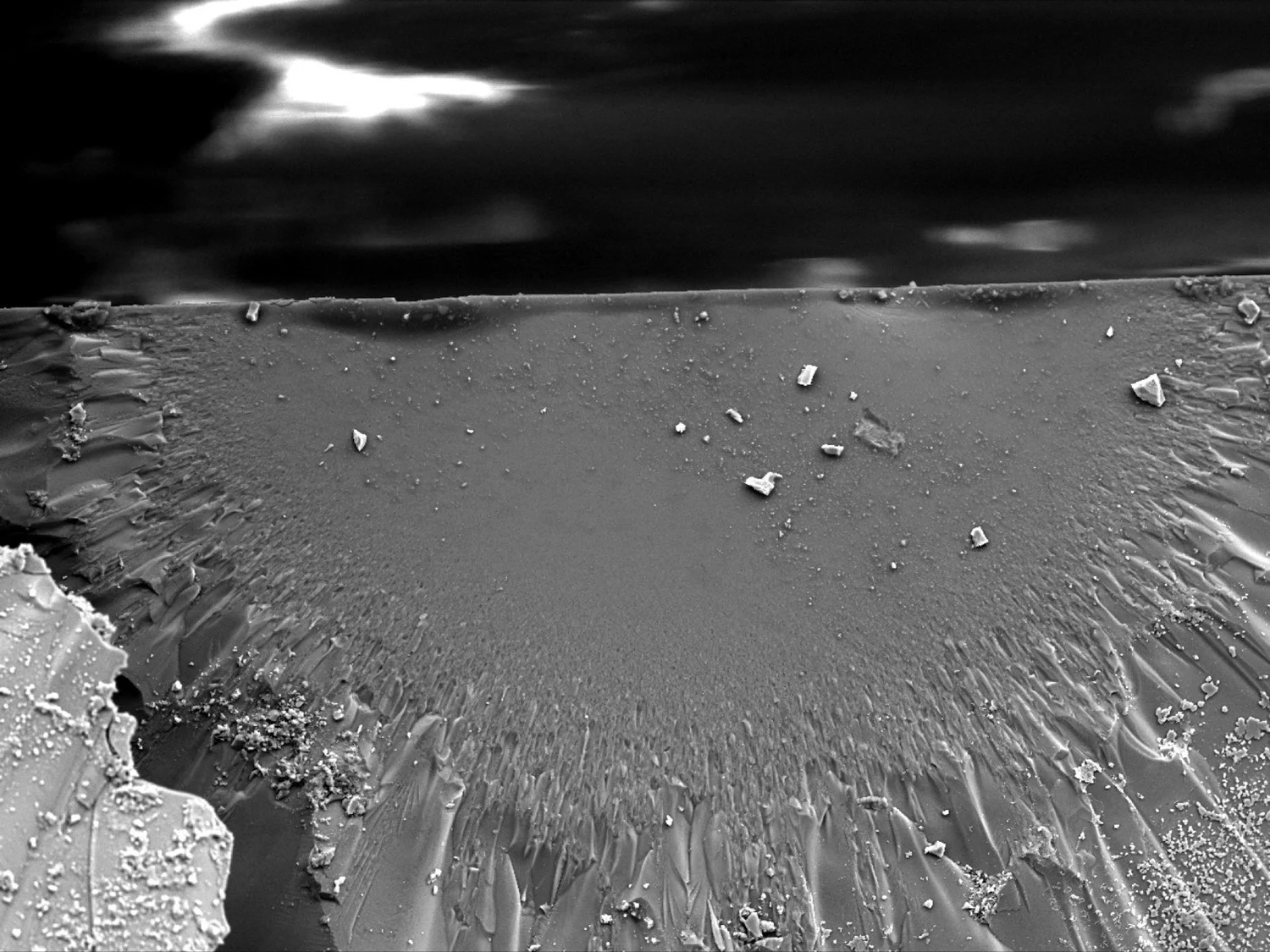
Every fracture surface records how it broke
The mirror, mist and hackle around a fracture origin are a record of the stress at the moment of failure. We read them with optical and electron microscopy to find the origin, estimate the failure stress, and separate a manufacturing flaw from a field event.
Scanning electron micrograph of a fracture origin in glass, 200x.
Where the hard materials problems are
The same physics shows up across very different products. We carry lessons from one industry into the next.
AI hardware
Materials, optics and thermal paths for the next generation of AI devices and infrastructure.
Robotics
Cover glass, sensor windows and lightweight structures for humanoid and industrial robots.
Sensors and optics
Visible and IR windows, coatings and optical compliance for cameras, lidar and displays.
Autonomous driving
Windshields, sensor domes and optical performance for driver assistance and full autonomy.
Space
Crew windows for commercial space stations, space-rated interlayers, coatings and outgassing compliance.
Solar
PV glass fracture analysis, hail resilience, and module durability for developers and national labs.
Electrochromic and functional glass
Switchable glazing for vehicles, aircraft, buildings and AR wearables.
Materials development programs
Aerogels, composites and specialty glass, taken from concept to qualified product.
Trusted by teams in space, energy, AI hardware and advanced manufacturing
















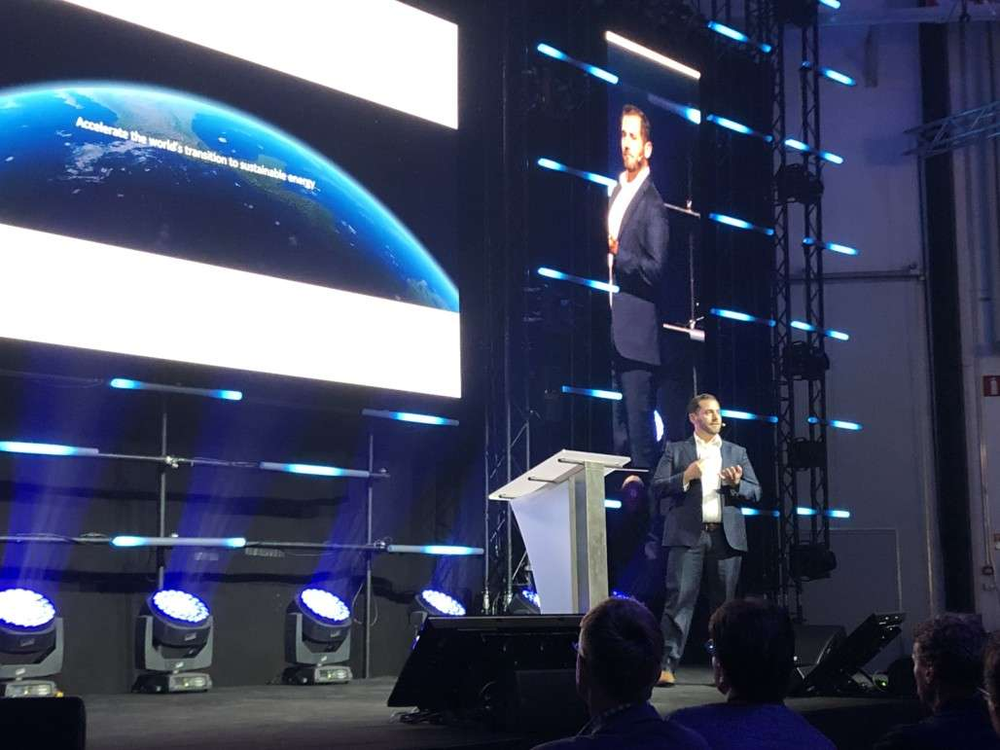
Michael Pilliod on innovation, product engineering and the people who make it happen
Keynotes, workshops and lectures drawn from two decades of taking new materials into products at GE, Apple and Tesla, and from building teams that can do it again.
T-shaped people and teams
Why the smartest person in the room changes when the topic changes, and how to build teams that use that.
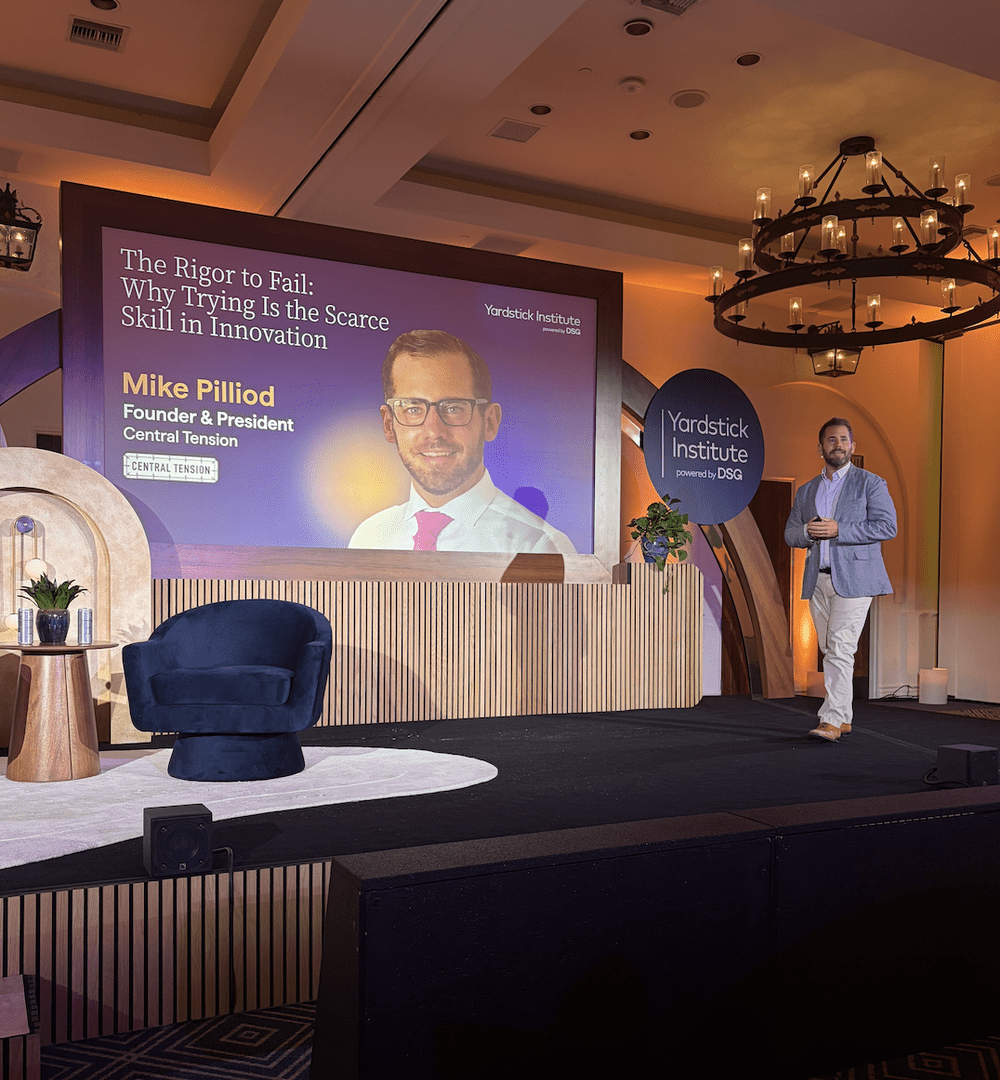
The rigor to fail
Why trying is the scarce skill in innovation, and how companies drift toward the ordinary without a deliberate push.
From lab to production
What it takes to introduce a new material into a high-volume product, told through programs that shipped.
Glass as a design material
Introducing glass in new and innovative ways, starting with a clear understanding of the requirements and carrying it through scale-up into high-volume production.
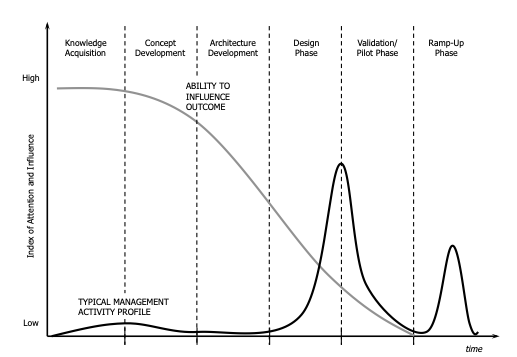
Attention arrives after the decisions are made
The ability to shape a product is greatest in knowledge acquisition and concept development, yet most management attention lands in design and validation, when the outcome is largely set. Michael's talks show teams how to put their effort where it still changes the result.
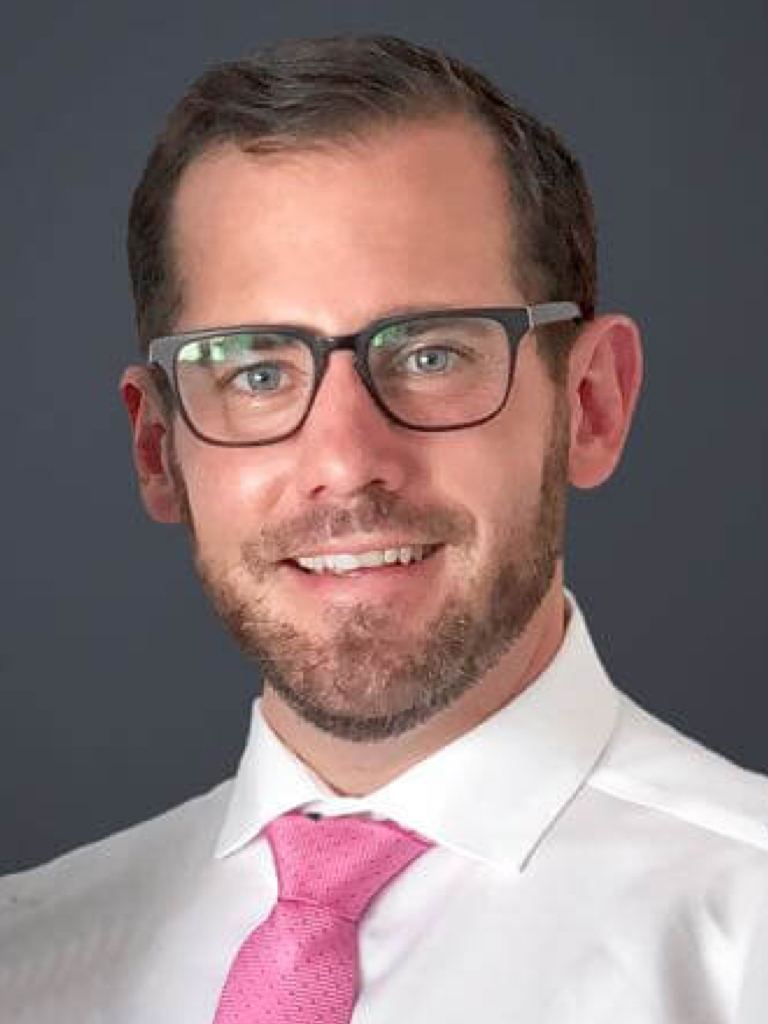
Michael Pilliod
Michael founded Central Tension in 2022 after nearly a decade as Director of Glass and Manufacturing Innovation at Tesla, where he led the engineering and industrialization of the largest and most complex vehicle glass in Tesla's products. Before Tesla he ran glass and plastics development across product lines at Apple, and earlier worked in ceramics, metallurgy and engineered plastics at GE Global Research and GE Plastics.
He holds a BS in Ceramic Engineering and Materials Science from Alfred University, is an inventor on 41 granted US patents, and serves on the DuraMat Industry Advisory Board.
Connect on LinkedIn
Tempered glass is strong because its surfaces are held in compression and its core in tension. The arrows in our logo show that balance. The core is the central tension, the hidden force that decides whether glass holds or shatters. It is where we work.
Tell us what broke, or what you want to build.
Project inquiries, speaking requests and partnerships. Central Tension is based in Los Angeles, California.